Get Flexible Financing for Your Project!
- Home
- /
- Compare Siding
Compare Siding
Choosing the right siding for your Cape Cod home is one of the most important decisions you’ll make as a homeowner. Your siding protects your home from harsh coastal weather, defines its curb appeal, and represents a significant investment that should last for decades.
At Muto Construction, we’ve installed every type of siding available on hundreds of Cape Cod homes. This complete guide will help you understand the pros, cons, costs, and best applications for each siding material so you can make an informed decision.
What we’ll cover: Cedar siding, AZEK bevel siding, vinyl siding, Hardie Board siding, RISE siding, and shiplap siding options, along with honest comparisons, cost ranges, maintenance requirements, and expert recommendations for Cape Cod’s unique climate.
| Siding Type | Durability | Maintenance | Cost Range | Best For |
| Cedar | ★★★☆☆ | High | $$$$ | Traditional aesthetics |
| AZEK Bevel | ★★★★★ | Very Low | $$$$ | Low-maintenance luxury |
| Vinyl | ★★★★☆ | Very Low | $$ | Budget-conscious buyers |
| Hardie Board | ★★★★★ | Low | $$$ | Coastal durability |
| RISE | ★★★★★ | Very Low | $$$$ | Modern, eco-friendly |
| Shiplap | ★★★★☆ | Varies | $$$ | Coastal charm |
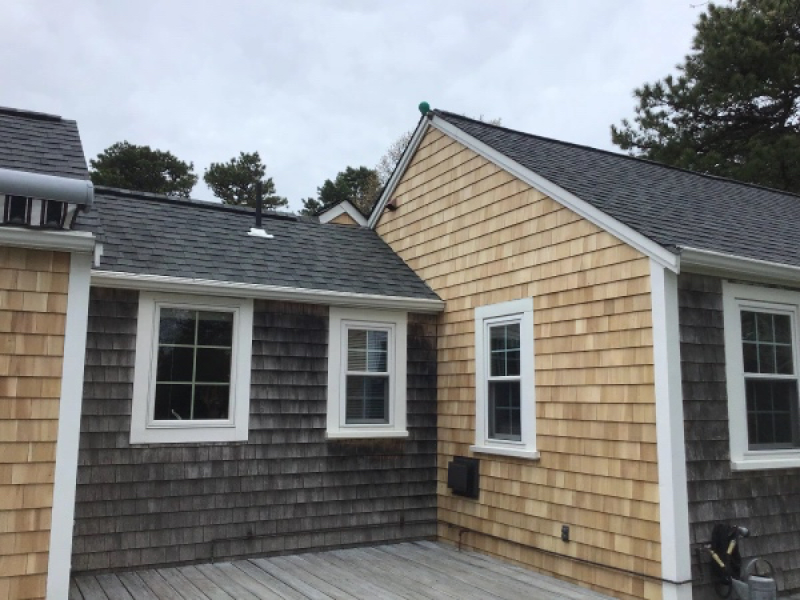
Cedar siding has been a staple of Cape Cod architecture for centuries, offering timeless beauty and natural charm. This premium wood siding develops a beautiful weathered patina over time and provides excellent insulation properties.
Cedar siding comes from Western Red Cedar trees and is available in various styles, including shakes (rough-hewn, rustic appearance) and shingles (smooth, uniform look). Cedar contains natural oils that provide some resistance to rot, insects, and decay, making it a durable natural option when properly maintained.
Advantages✓Authentic, classic Cape Cod appearance
✓Natural insulation properties (R-value around 1.0 per inch)
✓Environmentally sustainable and biodegradable
✓It can be stained or painted in any color
✓Natural resistance to insects and rot
✓Beautiful weathered silver-gray patina when left untreated
|
Drawbacks✗Requires regular maintenance (staining/sealing every 3-5 years)
✗Susceptible to moisture damage in coastal climates
✗It can warp, split, or crack over time
✗Higher initial investment than synthetic options
✗Fire risk without proper treatment
✗Color fades without UV protection treatment
|
Homeowners who value authentic, natural materials and traditional Cape Cod aesthetics. Ideal for historic homes or those seeking a classic look. Best suited for homeowners willing to invest time and money in regular maintenance, or those who appreciate the natural weathered look of untreated cedar.
Cape Cod’s salt air, humidity, and temperature fluctuations can be challenging for cedar siding. Regular sealing is essential to prevent moisture penetration and salt damage. We recommend clear marine-grade sealers for maximum protection against coastal elements.

AZEK bevel siding represents the cutting edge of exterior cladding technology. This premium PVC cellular material delivers the look of painted wood without any of the maintenance headaches, making it increasingly popular among Cape Cod homeowners.
AZEK is a premium cellular PVC (polyvinyl chloride) siding that’s engineered to replicate the appearance of traditional wood bevel siding. Unlike wood, AZEK won’t rot, crack, split, or attract insects. It’s manufactured with a protective cap layer that resists fading, scratching, and moisture damage.
Advantages✓Extremely low maintenance (just occasional washing).
✓Lifetime warranty against rot, splitting, and cracking.
✓Superior moisture resistance – perfect for coastal areas.
✓Won’t attract termites or carpenter ants.
✓Holds paint exceptionally well (25-year paint warranty).
✓Looks identical to painted wood siding.
✓Resistant to salt spray and humidity.
✓Won’t swell, warp, or deteriorate from water exposure.
|
Drawbacks✗Higher upfront cost than vinyl or Hardie Board.
✗It can expand and contract with temperature changes.
✗Limited color selection compared to painting options.
✗Requires professional installation for warranty.
✗Not eco-friendly (PVC-based material).
|
Homeowners seeking the appearance of traditional painted wood without ongoing maintenance. Excellent choice for vacation homes, rental properties, or busy homeowners who want “install and forget” siding. Particularly well-suited to Cape Cod’s harsh coastal environment due to superior moisture and salt resistance.
AZEK’s complete immunity to moisture makes it ideal for Cape Cod’s humid, salt-laden air. Unlike wood-based products, AZEK won’t absorb moisture that leads to swelling, rot, or paint failure. The result is siding that looks freshly painted year after year with minimal upkeep.
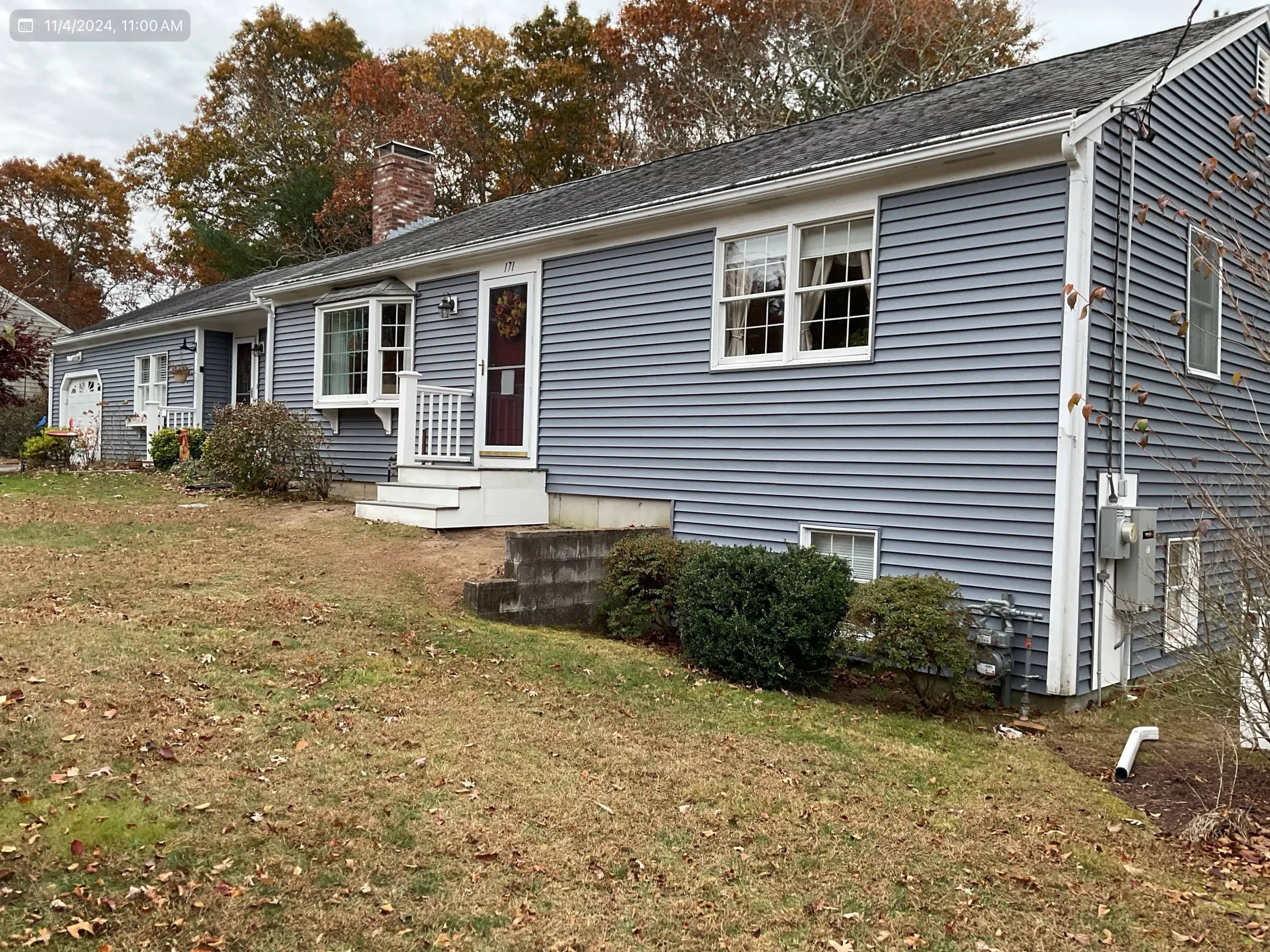
Vinyl siding remains the most popular siding choice in America, and for good reason. It offers an unbeatable combination of affordability, low maintenance, and decent durability. Modern vinyl siding has come a long way from the thin, cheap-looking options of decades past.
Vinyl siding is made from polyvinyl chloride (PVC) resin combined with various ingredients for color, flexibility, and UV resistance. High-quality vinyl siding features thicker gauge material, realistic wood-grain textures, and fade-resistant colorants integrated throughout the material.
Advantages✓Most affordable siding option.
✓Virtually maintenance-free (just wash occasionally).
✓Wide variety of colors and styles.
✓Never needs painting.
✓Resistant to insects and rot.
✓Quick and easy installation.
✓Good warranties (20-40 years depending on quality).
✓Color goes all the way through (no paint to chip).
|
Drawbacks✗It can crack in extreme cold temperatures.
✗Colors may fade over 10-15 years (especially darker shades).
✗It can look less authentic than wood or fiber cement.
✗Susceptible to damage from impacts (hail, baseballs, etc.).
✗It cannot be repainted easily.
✗Lower-end options can look cheap.
✗May warp or melt near heat sources.
|
Budget-conscious homeowners who want low maintenance without breaking the bank. Great for rental properties, first-time homeowners, or anyone prioritizing cost savings. Best results come from choosing premium-grade vinyl with thicker profiles and better color retention technology.
Not all vinyl is created equal. Look for thicker gauges (0.044″ or more), integral color (color mixed throughout), and strong warranties. Premium brands like CertainTeed offer superior fade resistance and impact protection, which matters significantly in Cape Cod’s variable weather.

James Hardie fiber cement siding has earned its reputation as the gold standard for durability and versatility. Engineered specifically to withstand harsh climates, Hardie Board is particularly well-suited to Cape Cod’s coastal environment.
Hardie Board is fiber cement siding made from cement, sand, and cellulose fibers. This engineered composite material is incredibly dense and durable, offering superior resistance to fire, moisture, pests, and impact. It’s available in multiple styles, including lap siding, shingles, and vertical panels.
Advantages✓Exceptional durability (30-50 year lifespan).
✓Non-combustible and fire-resistant.
✓Engineered for coastal climates (HardiZone system).
✓Resistant to salt spray, moisture, and humidity.
✓Won’t rot, warp, or attract pests.
✓Holds paint extremely well (15+ years).
✓Available in numerous textures and styles.
✓Excellent impact resistance.
✓Increases home value and insurance discounts.
✓30-year non-prorated warranty.
|
Drawbacks✗Requires periodic painting (every 15-20 years).
✗Heavy material requiring professional installation.
✗More expensive than vinyl siding.
✗It can crack if improperly installed or from house settling.
✗Requires specialized cutting tools.
✗Higher labor costs due to weight and installation complexity.
|
Homeowners seeking maximum durability and long-term value. Ideal for coastal locations where salt air and humidity challenge other materials. Excellent choice for those who want the look of wood without the maintenance or fire risk. Perfect for homeowners planning to stay in their homes long-term and wanting the best protection for their investment.
James Hardie specifically engineers their products for coastal climates through their HardiZone system. Cape Cod falls into HZ10, the harshest climate zone, and Hardie Board is formulated to handle the salt, moisture, and freeze-thaw cycles our region experiences. This makes it arguably the most reliable long-term siding choice for Cape Cod homes.
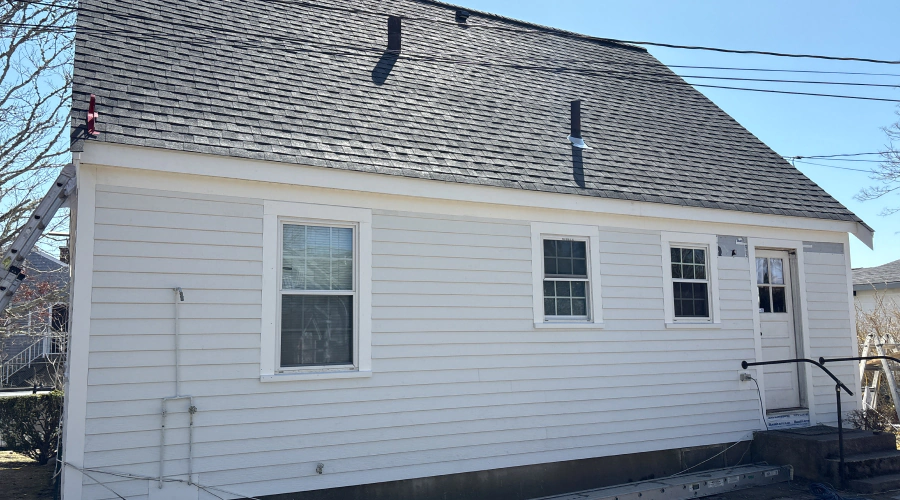
RISE siding represents the latest innovation in eco-friendly exterior cladding. This engineered composite material combines modern performance with environmental responsibility, offering homeowners a sustainable alternative without compromising on quality or aesthetics.
RISE siding is a premium composite material made from rice hulls and recycled materials bonded with proprietary resins. This innovative approach creates a highly durable, weather-resistant siding that diverts agricultural waste from landfills while delivering exceptional performance.
Advantages✓Made from 60% recycled content (rice hulls).
✓Superior moisture resistance.
✓Won’t rot, crack, warp, or split.
✓Excellent dimensional stability.
✓Low maintenance requirements.
✓Resistant to insects and mold.
✓Authentic wood grain appearance.
✓Can be painted or stained.
✓Class A fire rating.
✓50-year limited warranty.
✓Environmentally sustainable choice.
|
Drawbacks✗Premium price point.
✗Relatively new product (less long-term track record).
✗Limited color options (requires painting for color).
✗Requires professional installation.
✗Less widely available than traditional options.
|
Environmentally conscious homeowners who want sustainable materials without sacrificing performance. Excellent for modern or contemporary homes where eco-friendly building is a priority. Ideal for those seeking premium durability with a smaller environmental footprint.
RISE siding’s exceptional moisture resistance makes it well-suited to Cape Cod’s humid, salt-air environment. The composite material won’t absorb water like wood-based products, preventing the rot and degradation that can occur in coastal settings. Its stable composition means it won’t expand and contract significantly with humidity changes.
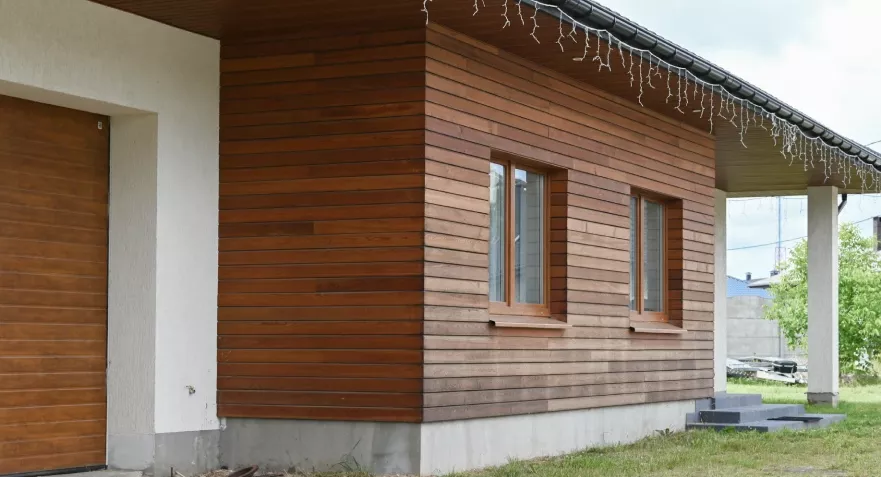
Shiplap siding has experienced a resurgence in popularity, thanks to its distinctive horizontal lines and versatile style that works with both traditional and modern architecture. When properly installed, shiplap creates beautiful shadow lines that add depth and character to your home’s exterior.
Shiplap refers to a style of installation where boards overlap with a rabbet joint, creating a tight seal and distinctive horizontal lines. Traditional shiplap was wood, but today it’s available in multiple materials, including real wood, engineered wood, fiber cement (like Hardie Board), and PVC options like AZEK.
Advantages✓Distinctive, eye-catching appearance.
✓Creates beautiful shadow lines and depth.
✓Versatile style (works with farmhouse, coastal, and modern designs).
✓Available in multiple materials for different budgets.
✓Excellent water shedding when properly installed.
✓Strong horizontal lines make homes appear wider.
✓Timeless coastal aesthetic perfect for Cape Cod.
|
Drawbacks✗More expensive than standard lap siding installation.
✗Durability depends on the material chosen.
✗Wood versions require regular maintenance.
✗Improper installation can lead to water infiltration.
✗More labor-intensive installation.
✗Some materials may not be authentic shiplap (just styled to look like it).
|
Homeowners seeking a distinctive coastal or modern farmhouse aesthetic. Perfect for accent walls, additions, or complete home exterior transformations. Choose fiber cement or PVC shiplap for low maintenance, or real wood for authentic character (with higher maintenance requirements).
The performance of shiplap siding depends entirely on the material you choose. Fiber cement shiplap (like Hardie Board) offers the best balance of authenticity and durability for Cape Cod. PVC shiplap provides the lowest maintenance, while real wood shiplap delivers authentic character but requires regular upkeep in our coastal climate.
Consider these important factors when selecting your siding:
Home Style

Budget

Maintenance Tolerance

Climate Concerns

Longevity Goals

Environmental Impact

For Cape Cod’s coastal climate, we most often recommend Hardie Board fiber cement or AZEK siding. Both offer superior moisture and salt resistance while requiring minimal maintenance. Hardie Board provides the best long-term durability and value, while AZEK offers virtually zero maintenance. The “best” choice ultimately depends on your budget, aesthetic preferences, and maintenance tolerance.
Vinyl siding typically lasts 20-40 years, Hardie Board 30-50 years, AZEK 50+ years, RISE 50+ years, and cedar 20-40 years, depending on maintenance. Proper installation and maintenance significantly impact longevity. In Cape Cod’s harsh coastal environment, moisture-resistant options like Hardie Board and AZEK tend to outlast others.
While possible for experienced DIYers, we strongly recommend professional installation for several reasons: improper installation voids warranties, mistakes can lead to water infiltration and structural damage, professional installation ensures proper ventilation and moisture management, and many premium products require certified installers. The money saved on DIY installation often doesn’t justify the risks, especially with expensive materials.
For an average 2,000 square foot Cape Cod home, expect to pay $8,000-16,000 for vinyl siding, $14,000-24,000 for Hardie Board, $18,000-30,000 for AZEK or RISE, and $16,000-30,000 for cedar. These ranges include materials and professional installation. Costs vary based on home complexity, trim details, removal of existing siding, and regional labor rates.
In most cases, yes. Removing old siding allows inspection of the underlying sheathing for rot or damage, ensures proper installation and ventilation, and prevents adding excessive weight to your home’s structure. Some vinyl siding can be installed over existing flat surfaces, but we generally recommend removal for the best long-term results.
Neutral colors like gray, white, beige, and taupe offer the broadest appeal for resale. On Cape Cod, classic coastal colors (blues, grays, white) are particularly popular. Darker colors can look dramatic but may fade faster and absorb more heat. Consider your home’s architectural style and neighborhood when choosing colors. We can provide color consultation as part of our service.
Vinyl & AZEK: Wash annually with mild soap and water. Hardie Board: Wash annually, repaint every 15-20 years. Cedar: Clean, inspect, and reseal every 2-3 years; restain every 3-5 years. RISE: Wash annually, repaint/stain as needed (every 10-15 years). Regular inspection for damage and prompt repairs prevent small issues from becoming major problems.
Yes, new siding installation provides an opportunity to add insulation and improve your home’s thermal envelope. While siding itself provides minimal insulation (except cedar), the installation process allows for insulated backing boards or house wrap that significantly improve energy efficiency. Properly installed siding also reduces air infiltration, lowering heating and cooling costs.
Salt air accelerates the deterioration of many materials through corrosion and moisture retention. Fiber cement (Hardie Board) and PVC-based products (AZEK, vinyl) offer superior salt resistance. Cedar requires more frequent sealing in coastal areas. Stainless steel fasteners are essential for all siding types near the ocean to prevent rust stains and fastener failure.
Vinyl: 20-year limited warranties on material. Hardie Board: 30-year non-prorated warranty, 15-year paint warranty. AZEK: Limited lifetime warranty, 25-year paint warranty. Cedar: No manufacturer warranty (natural material). RISE: 50-year limited warranty. Always get installation warranties from your contractor; we provide 5-year workmanship warranties.