
Get Flexible Financing for Your Project!
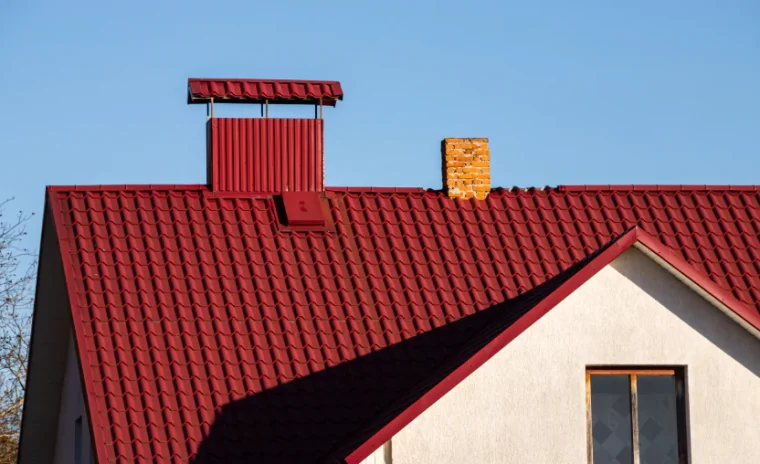
When planning a new roof, homeowners often ask, “what is PVC roofing?” The answer is simple. It’s a strong, flexible, and energy-saving roofing system used on flat or low-slope roofs. If you live on Cape Cod or in Harwich, MA, this type of roof is one of the smartest choices for long-lasting performance.
This complete homeowner’s guide explains what PVC roofing is, how it’s installed, what materials it uses, and how it compares to other roofing types. You’ll also learn about PVC roof installation, maintenance, lifespan, and where it works best.
What Is PVC Roofing?
PVC roofing, or Polyvinyl Chloride roofing, is a single-ply roofing system made from two layers of PVC material reinforced with polyester scrim. The upper layer contains UV stabilizers and chemical-resistant additives, while the lower layer gives flexibility and support.
This system is widely used in both residential and commercial roofing. In coastal towns like Harwich, MA, PVC roofing protects homes from salt, wind, and moisture better than many traditional options.
The sheets are heat-welded together, forming a watertight surface. This design prevents leaks and creates a clean, modern look. If you’ve wondered what is PVC roofing and why it’s so popular, the key lies in its strength and simplicity.
Why Choose a PVC Roofing System?
A PVC roofing system delivers long-term protection with minimal upkeep. Here are some main reasons homeowners choose it:
1. Strong and Durable
PVC roofing can handle harsh Cape Cod weather, including strong winds and heavy rain. It resists cracking and tearing, maintaining its shape even under temperature changes.
2. Leak Resistant
The heat-welded seams form a continuous waterproof layer. This prevents leaks, unlike glued seams that can loosen over time.
3. Energy Efficient
The white reflective surface keeps your home cooler by bouncing sunlight away. That helps lower air conditioning costs and makes your home more comfortable in the summer months.
4. Low Maintenance
PVC roofs don’t need frequent repairs or coatings. Routine cleaning and inspections are usually enough to keep them in good condition.
5. Long Lifespan
When installed correctly, the PVC roofing lifespan can reach 25 to 30 years. This makes it a solid investment compared to shorter-lived materials.
PVC Roofing Materials and Components
A typical PVC roofing system includes several important parts:
- PVC Membrane: The waterproof surface that keeps water out.
- Reinforcement Layer: Adds strength and flexibility.
- Insulation Board: Helps with temperature control.
- Fasteners or Adhesives: Hold the material in place.
- Flashing and Edge Details: Seal vulnerable spots to prevent leaks.
At Muto Construction, we use high-quality PVC membranes that stand up to Cape Cod’s coastal weather, from heavy storms to high humidity.
How to Install PVC Roofing
Knowing how to install PVC roofing can help you understand the process and why professional workmanship matters. The steps include:
1. Preparation
Old roofing material is removed, and the surface is cleaned. Damaged areas are repaired before installation begins.
2. Insulation Layer
Insulation boards are laid down to improve energy efficiency and reduce heat transfer.
3. PVC Membrane Placement
Sheets of PVC roofing are rolled out and aligned carefully. Overlapping areas are prepared for sealing.
4. Heat Welding
A hot-air welder seals the seams together. This step creates a permanent bond that prevents water from entering.
5. Finishing Details
Edges, corners, and roof openings are sealed with flashing for complete waterproofing.
This method ensures that every PVC roof installation provides long-term protection against leaks, moisture, and wind uplift.
PVC Roofing Lifespan
One of the greatest advantages of this system is the PVC roofing lifespan. When installed and maintained properly, it can last 25 to 30 years or longer. The longevity depends on factors like:
- Quality of materials
- Proper installation
- Regular cleaning and inspection
- Environmental exposure
For homes near the coast, choosing the right roofing team ensures the roof withstands salt air and strong winds year after year.
PVC Roofing vs. Other Roofing Materials
Here’s how PVC compares to other popular roofing systems:
| Roofing Type | Durability | Energy Efficiency | Maintenance | Lifespan | Best Use |
| PVC Roofing | Excellent | High | Low | 25–30 years | Flat & low-slope roofs |
| Rubber Roofing (EPDM) | Good | Medium | Medium | 20–25 years | Low-slope roofs |
| TPO Roofing | Excellent | High | Low | 20–30 years | Homes & condos |
| Asphalt Roofing | Moderate | Low | Medium | 15–20 years | Sloped roofs |
| Metal Roofing (Aluminum/Copper) | Excellent | High | Low | 40+ years | Sloped or accent areas |
PVC remains a balanced choice for long-term performance and energy savings.
Where Is PVC Roofing Used?
PVC roofing works well on:
- Homes with flat or low-slope roofs
- Condominiums
- Porches and additions
- Garages or sheds
- Commercial buildings
Its waterproof design and reflective surface make it a great fit for both residential and mixed-use properties.
Maintenance Tips for PVC Roofing
Keep your PVC roofing system in great shape with these simple steps:
- Inspect the roof twice a year.
- Clean off debris and dirt using mild soap and water.
- Check seams and flashing for any signs of separation.
- Have a roofing professional inspect it annually.
These habits help extend the PVC roofing lifespan and maintain energy efficiency.
PVC Roofing Cost and Value
The upfront cost of PVC roof installation is higher than asphalt or rubber, but its durability, low maintenance, and energy savings make it cost-effective in the long run. Homeowners often recover much of the investment through lower energy bills and reduced repair costs.
Environmental Benefits of PVC Roofing
PVC roofing is recyclable, and many products include recycled materials. The reflective surface also lowers energy use by reducing heat absorption. This combination supports eco-friendly building practices and improves energy efficiency.
Choosing the Right Roofing Team
For your roof to last, proper installation matters. Always choose a local roofing company familiar with the Cape Cod climate and experienced in PVC roof installation.
At Muto Construction, we bring decades of experience, quality materials, and attention to detail to every project in Harwich, MA.
Conclusion
Now that you know what is PVC roofing, you understand why it’s such a reliable and energy-efficient choice for modern homes. This roofing system offers strong weather resistance, long lifespan, and minimal maintenance. Whether you’re building a new home or updating your roof, PVC roofing is a smart, long-term investment for protection and comfort.
Why Choose Muto Construction for Your PVC Roofing Needs
We at Muto Construction have over 30 years of experience providing dependable PVC roofing installation in Harwich, MA, and across Cape Cod. We focus on quality work and honest communication. In addition to PVC roofs, we also install TPO roofing, rubber roofing, and asphalt shingle roofing. Get your free estimate today, or take advantage of our financing option with one year of no payments and no interest. Call (508) 945-0300 to learn more about improving your home with lasting results.
